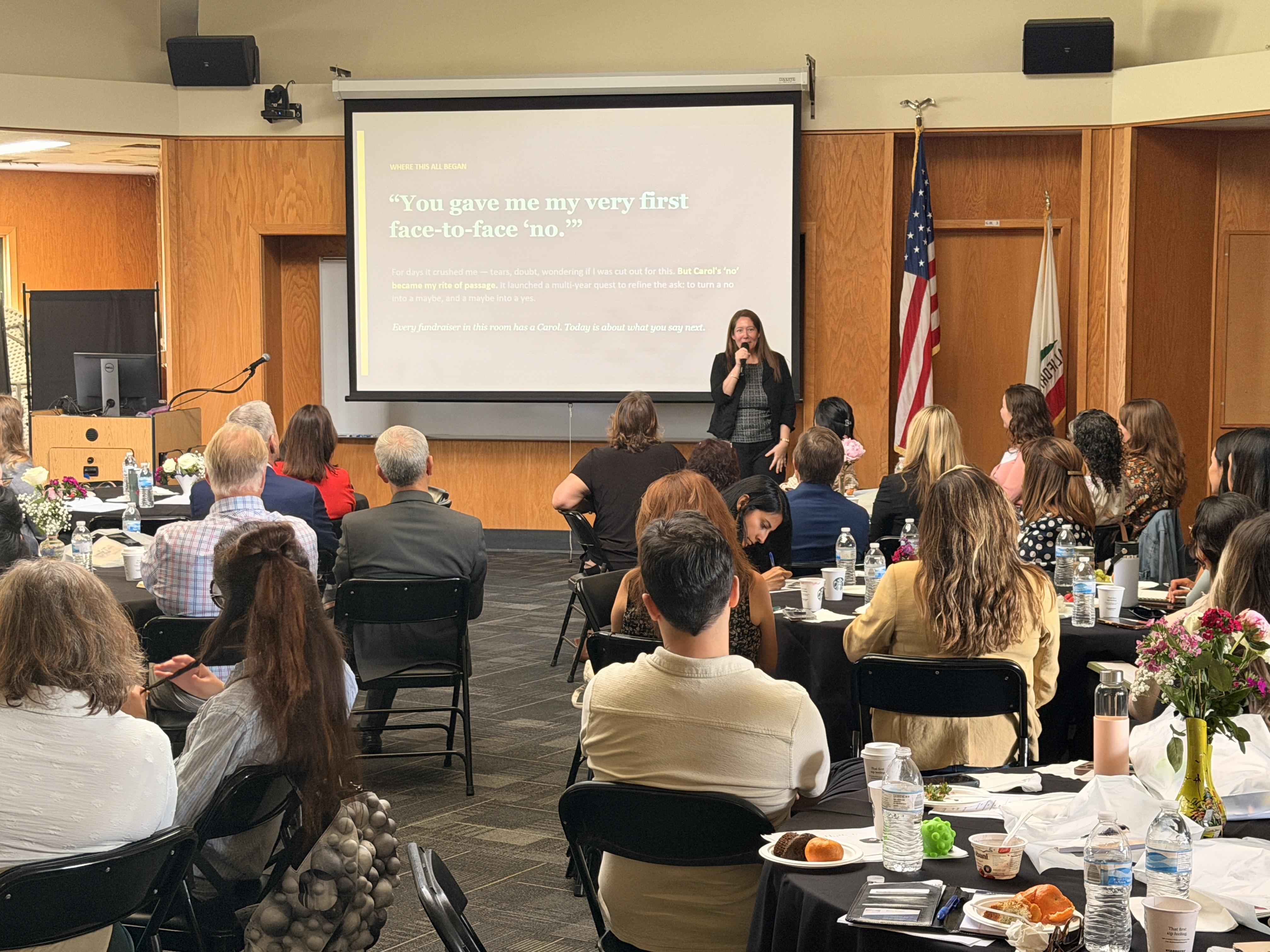
Overcoming Fear of Rejection in Major Gift Fundraising
Overcoming Fear of Rejection in Major Gift Fundraising
Major gift fundraising is one of the most rewarding aspects of nonprofit work, but it can also be one of the most intimidating. Many fundraisers, whether they are new to the profession or have years of experience, struggle with the fear of rejection. The thought of asking someone for a significant contribution can create anxiety, self-doubt, and hesitation.
I have found that fear of rejection often becomes the biggest obstacle standing between a fundraiser and meaningful donor relationships. The good news is that this fear can be managed and overcome. By shifting mindset, building confidence, and focusing on relationships rather than outcomes, it becomes possible to approach major gift fundraising with greater comfort and success.
Understanding Why Rejection Feels So Personal
One reason rejection feels so difficult is that fundraising is deeply human. When I ask someone to support a cause, I am sharing something I genuinely believe in. If a donor says no, it can feel like a rejection of me, my organization, or the mission itself.
In reality, donor decisions are rarely personal. People make giving choices based on timing, priorities, financial circumstances, family obligations, and countless other factors. A declined gift request often has little to do with the fundraiser.
Recognizing this distinction is one of the first steps toward reducing fear. A donor's decision reflects their situation, not my worth or effectiveness as a fundraiser.
Shifting from Selling to Serving
Many fundraisers experience anxiety because they view fundraising as a sales process. They feel pressure to persuade, convince, or close a gift. This mindset can make every donor meeting feel like a high-stakes performance.
A more productive approach is to view fundraising as an act of service.
When I focus on helping donors achieve their philanthropic goals, the conversation changes completely. Instead of trying to secure a donation, I am creating an opportunity for someone to make an impact on a cause they care about.
This shift reduces pressure because the goal becomes understanding the donor's interests and connecting them with meaningful opportunities. The conversation becomes collaborative rather than transactional.
Accepting That Rejection Is Part of the Process
Every successful major gift fundraiser has heard no countless times.
The most productive professionals understand that rejection is not an exception. It is a normal part of the fundraising journey. Even the strongest donor relationships do not guarantee a positive response to every request.
Accepting rejection as a natural outcome removes much of its emotional power. When I understand that some asks will result in a no, I can stop viewing rejection as failure.
Instead, I can see it as valuable information that helps guide future conversations and strategies.
Focusing on Relationship Building
Major gifts rarely happen because of a single conversation. They are usually the result of trust built over time.
When I focus solely on securing a donation, every interaction carries enormous pressure. However, when I concentrate on building authentic relationships, the process becomes much more manageable.
Strong relationships are built through consistent communication, active listening, and genuine interest in the donor's values and goals. Each meeting, phone call, and email becomes an opportunity to deepen trust.
When trust grows, fundraising conversations become more natural and less intimidating.
Preparing Thoroughly Before the Ask Confidence often comes from preparation.
One of the most effective ways to reduce fear is to enter donor meetings fully prepared. Understanding a donor's giving history, interests, motivations, and potential concerns creates a strong foundation for productive discussions.
Preparation allows me to anticipate questions, present opportunities clearly, and communicate the impact of a gift with confidence.
When I know I have done the necessary research and planning, I feel more comfortable leading fundraising conversations and making direct requests.
Redefining Success
Many fundraisers define success as receiving a gift. While donations are certainly important, this definition can create unnecessary stress.
A healthier approach is to broaden the definition of success.
Success might mean learning more about a donor's interests. It could involve scheduling a follow-up meeting, strengthening a relationship, or gaining insight into future giving potential.
When I recognize these smaller victories, fundraising becomes a series of meaningful steps rather than a collection of pass-or-fail moments.
This perspective makes rejection easier to handle because every interaction still contributes to long-term success.
Developing Resilience Through Experience
Confidence grows through action.
No amount of training, reading, or preparation can completely eliminate fear. The most effective way to overcome anxiety is to continue engaging with donors despite feeling uncomfortable.
Each conversation builds experience. Each ask develops skills. Each rejection provides lessons.
Over time, situations that once felt overwhelming begin to feel routine. What initially seemed intimidating becomes familiar and manageable.
Resilience is not the absence of fear. It is the ability to move forward despite fear.
Learning from Every Outcome
Every donor interaction offers an opportunity for growth.
When a gift request is successful, I can examine what contributed to the positive outcome. When a donor declines, I can reflect on what I learned about their priorities, timing, or concerns.
This approach transforms rejection from a negative experience into a valuable source of information.
Instead of asking, ""Why was I rejected?"" I can ask, ""What can I learn from this conversation?""
That simple shift encourages continuous improvement and reduces emotional attachment to individual outcomes.
Building a Long-Term Perspective
Major gift fundraising is a marathon, not a sprint.
Some donors may not be ready to give today, but they may become significant supporters in the future. A no today does not necessarily mean no forever.
By maintaining a long-term perspective, I can remain patient and committed to relationship building. Rather than focusing on immediate results, I can focus on creating meaningful donor experiences that encourage future engagement.
This mindset helps reduce the sting of rejection and supports sustainable fundraising success.
Embracing Authenticity
Donors respond to authenticity.
I do not need to be the perfect fundraiser, deliver flawless presentations, or have all the answers. What matters most is genuine passion for the mission and sincere interest in helping donors make a difference.
Authenticity creates trust, and trust forms the foundation of successful major gift fundraising.
When I stop trying to be perfect and focus on being genuine, fundraising conversations become more comfortable and effective.
Creating a Positive Internal Dialogue
The way I speak to myself has a significant impact on confidence.
Fear of rejection often grows when negative thoughts dominate my mindset. Thoughts such as ""I am bothering donors"" or ""They will probably say no"" can create unnecessary anxiety.
Replacing these thoughts with more constructive perspectives can make a substantial difference.
I can remind myself that donors have the right to choose how they give. I can remember that my role is to present opportunities, not force decisions. I can focus on the positive impact that donations create for the people and communities served by the organization.
A healthy internal dialogue supports greater confidence and resilience.
Fear of rejection is one of the most common challenges in major gift fundraising, but it does not have to limit success. By understanding that rejection is rarely personal, focusing on relationships, preparing thoroughly, and maintaining a long-term perspective, I can approach donor conversations with greater confidence.
The most successful fundraisers are not those who never experience rejection. They are the ones who continue building relationships, learning from every interaction, and moving forward despite uncertainty.
These are themes I frequently hear explored on Hey Fundraiser, where fundraising professionals share practical insights and real-world experiences. By embracing a service-oriented mindset and focusing on authentic donor connections, I can transform fear into confidence and create stronger fundraising outcomes. The conversations featured on Hey Fundraiser consistently highlight that rejection is not the end of the journey but simply one step along the path to meaningful donor engagement. Through the lessons and perspectives discussed on Hey Fundraiser, fundraisers can gain the confidence needed to pursue major gifts with purpose, persistence, and optimism.
